
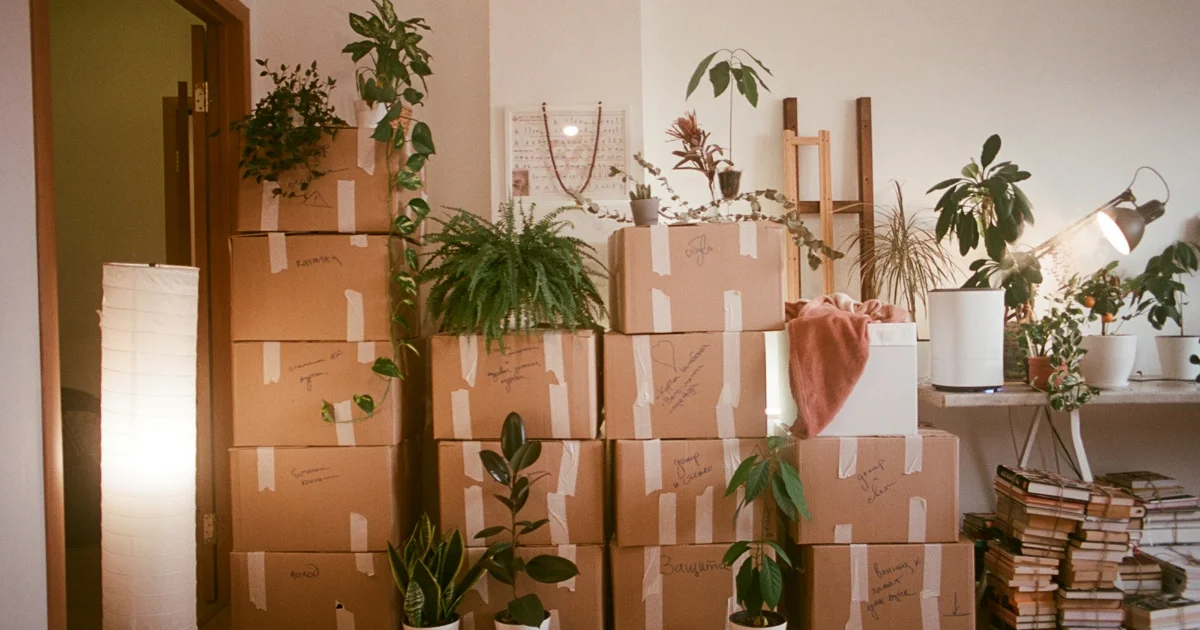
"How much space do I actually need?" is the first question almost everyone asks about self storage in Kilmarnock, and it is the one people most often get wrong. Book too small and you end up wedging the last armchair in sideways or paying for a second space. Book too big and you pay for empty air every month. This guide to storage sizes in Kilmarnock gives you a simple way to estimate your space, explains what fits in a storage container for some common situations, and shows you how to choose with confidence before you book.
Whether you live in the town itself or nearby in Kilmaurs, Hurlford, Crosshouse or Galston, the method is the same. It takes about half an hour with a notepad and a tape measure, and it can save you a fair bit over the months your things are in storage.
Why getting storage sizes right in Kilmarnock saves you money
Storage is usually charged by the size of the space and how long you keep it, so the size you pick on day one affects every bill that follows. The good news is that most people overestimate. A room that feels packed to the ceiling at home often shrinks dramatically once beds are taken apart, tables lose their legs and everything small goes into boxes of the same size.
There are three common mistakes to avoid:
- Guessing by number of rooms alone. Two "two-bedroom" homes can hold very different amounts. A minimalist flat and a family house with a loft full of keepsakes are not the same job.
- Forgetting the awkward items. Bikes, lawnmowers, a garden bench or a pram take more floor space than their size suggests, because you cannot stack much on top of them.
- Leaving no room to reach things. If you will need to get at something while it is in storage, you need a little walkway, not just a solid wall of boxes.
Start with a list, not a guess
The single best thing you can do is write down what is going into storage. Walk round your home room by room and split your list into three groups:
- Large furniture: sofas, beds, wardrobes, chests of drawers, dining tables, desks and white goods.
- Bulky or odd-shaped items: bikes, garden furniture, a barbecue, a cot, golf clubs, rugs, mirrors and pictures.
- Boxes: estimate how many boxes your smaller things will fill. A useful rule of thumb is to count shelves and cupboards and allow a box or two for each.
Be honest about what you are keeping. If something is not worth paying to store, now is the time to sell it, donate it or take it to the recycling centre. Every item you let go of before you pack is space you do not pay for later.
What fits in a storage container? Typical loads explained
Every household is different, so treat these as starting points rather than promises. They will help you picture which end of the size range you are likely to need before you look at the options on our storage sizes and prices page.
A few boxes and some odds and ends
Seasonal clothes, Christmas decorations, a bike and a handful of boxes from the loft. This is the lightest kind of storage and usually suits the smallest space available. It is popular with people decluttering, students between terms and anyone simply trying to win back a cupboard. If you are not sure what to keep, our room-by-room guide to decluttering your Kilmarnock home helps you decide what to keep, store, sell or donate.
The contents of one room
A spare bedroom or home office: a bed, a chest of drawers, a desk, a chair and perhaps 15 to 25 boxes. Once the bed is dismantled, this takes up far less floor space than you would expect. People often store a single room during decorating or while a new baby's nursery is set up. If you are planning building work or a redecoration, our guide to storage during a home renovation in Kilmarnock explains how to clear rooms and protect your furniture.
A one-bedroom flat
A sofa, a double bed, a wardrobe, a small dining table and chairs, a fridge or washing machine, and a few dozen boxes. Here the big items drive the size, so measure the sofa and the white goods carefully.
A two- or three-bedroom house
Now you are into several beds and wardrobes, a dining set, living room furniture, garden furniture and plenty of boxes. A full family home usually needs one of the larger spaces, and sometimes more than one. If you are clearing a parent's house, our guide to house clearance storage in Kilmarnock explains how to plan the space around the executor's timetable. If you are between houses, our week-by-week guide to moving house in Kilmarnock can help you plan what goes into storage and when.
Garage, shed and garden
Lawnmowers, tools, bikes, outdoor toys and a patio set. These items are bulky and hard to stack, so allow more space than the item count suggests. Golf bags, tents and fishing rods need similar thought, and our guide to storing golf, camping and fishing gear in Kilmarnock explains how to pack them. Remember that fuel and gas bottles cannot go into storage, so mowers need their tanks emptied first.
How to measure your belongings properly
A few measurements will turn a rough idea into a confident decision. You only need to measure the big pieces; boxes can be counted.
- Measure the largest furniture. Note the length, depth and height of your sofa, wardrobes, beds and table. Write the numbers on your list.
- Think in floor space and height. Storage space is three-dimensional. Boxes and sturdy items stack, so a tall, well-packed load fits far more than a single layer spread across the floor.
- Use boxes of the same size. Matching boxes stack neatly and safely, and they make counting much easier. Mixed supermarket boxes waste space and crush under weight.
- Allow for things that cannot be stacked on. Glass-topped tables, mirrors, lampshades and upholstered chairs need space above them left clear or carefully padded.
Once you have your list and measurements, compare them with the sizes shown on our storage sizes and prices page. If you are stuck between two sizes, the next sections will help you decide.
Packing tricks that let you book a smaller space
How you pack can make as much difference as what you pack. These simple steps regularly save people from needing the next size up:
- Dismantle what you can. Bed frames, table legs, shelving and flat-pack wardrobes all take a fraction of the space when taken apart. Tape screws and bolts in a labelled bag to the item itself.
- Fill the gaps. Drawers, wardrobes, washing machine drums and suitcases are all storage space. Fill them with soft items such as towels and bedding.
- Stand mattresses and sofas on end where it is safe to do so, and cover them with breathable covers rather than sealed plastic.
- Use vacuum bags for bedding and clothes. Duvets and winter coats shrink to a fraction of their size. Our guide on how to pack a storage container has more tips on using every bit of space safely.
- Load heavy and square first. White goods and heavy furniture go at the back, then sturdy boxes, with lighter and fragile items on top and towards the front.
Room to move: access and the things you will need back
Think about whether you will need anything while it is stored. If you are storing for a house move and will not touch it for six weeks, you can pack tightly. If you are a seasonal user, or you are storing business stock or tools you dip into, leave a narrow aisle down the middle and keep the things you use most near the door.
It is worth reading how container storage in East Ayrshire works in practice before you decide. Our how it works page explains booking, moving in and accessing your container. If you are still weighing up which type of storage suits you, our comparison of self storage and container storage sets out the differences in plain English.
Frequently asked questions
Is it better to go slightly bigger or slightly smaller?
If your list and measurements put you right on the line, slightly bigger is usually the safer choice, especially for a house move where things rarely pack as neatly as planned. If you are storing a known, fixed set of items and will not need access, you can pack tightly and go smaller.
Can I change to a different size later?
That depends on availability and the terms of your rental, so it is best to check our rental terms or get in touch before you book. Getting the size right at the start, using the steps above, avoids the need to move everything twice.
Do I need to live in Kilmarnock to use storage units in Kilmarnock?
Not at all. Plenty of people choose storage units in Kilmarnock because the town is easy to reach from across East Ayrshire, including Kilmaurs, Hurlford, Crosshouse, Galston and Stewarton, as well as from Irvine, Troon and Ayr. What matters is how often you expect to visit.
What can't I put in storage?
As a general rule, nothing flammable, perishable or hazardous: petrol, gas bottles, paint thinners, fireworks and food are typical exclusions across the storage industry. Check our rental terms for the full list before you pack.
Find the right storage size in Kilmarnock
With a list, a few measurements and some smart packing, choosing between storage sizes in Kilmarnock becomes a simple decision rather than a guess. When you are ready, check prices and availability and book the space that suits you. If you would like help working out what fits, contact The Storage Machine and tell us what you are planning to store. We are happy to help homes and businesses across Kilmarnock and Ayrshire find the right container.