
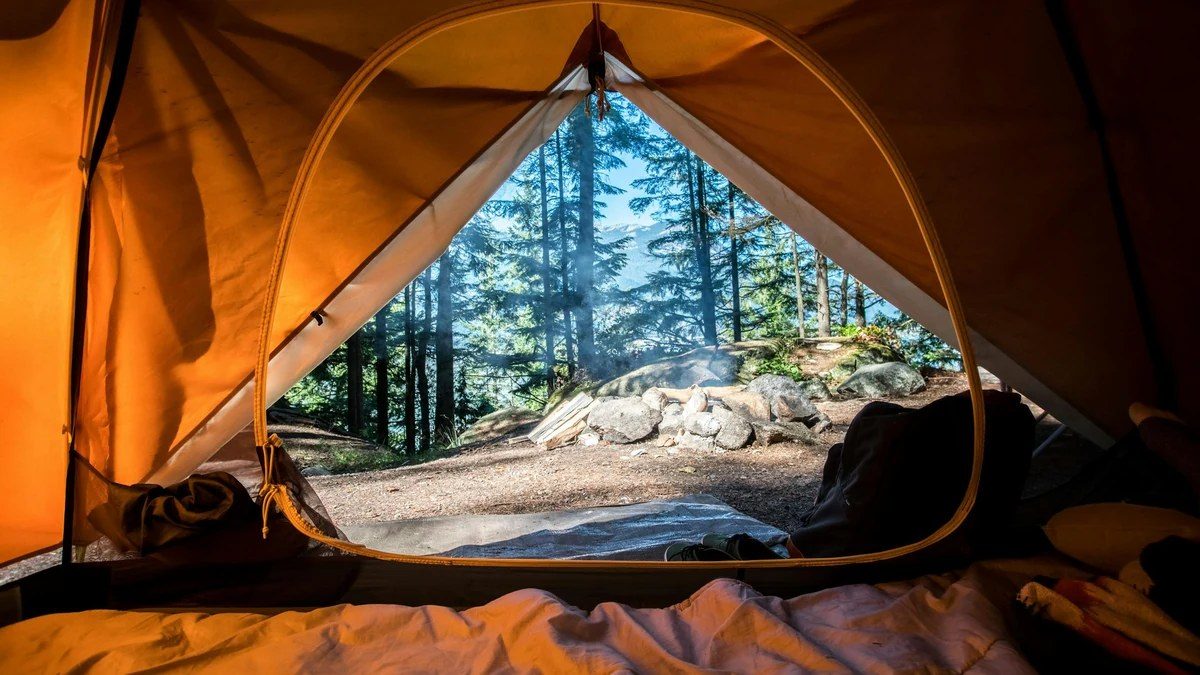
Golf bags in the hall, a tent drying over the banister and a tackle box that lives on the stairs: hobby kit has a way of taking over a house. Hobby storage in Kilmarnock gives that gear a proper home between seasons, so it stays clean, dry and ready for the next round, trip or day on the river. This guide covers how to prepare golf clubs, camping gear and fishing tackle for storage, what to keep at home, and how to pack a container so the right kit is at the front when you need it.
It is written for households across Kilmarnock and East Ayrshire, from Riccarton and Bellfield to Hurlford, Galston and Stewarton, and the same advice works anywhere in Ayrshire.
Why hobby storage in Kilmarnock makes sense
Most hobbies are seasonal. The tent comes out for a few summer weekends, the river rods for the fishing season, the wetsuits for the warmer months. For the rest of the year the kit sits in a cupboard, loft or garage, often getting knocked about or picking up damp.
Moving it out of the house has three benefits:
- Space back at home. A golf bag, a family tent and a couple of rod tubes take up a surprising amount of room in a hallway or box room.
- Better care. Gear packed properly in one place is less likely to be crushed, lost or damaged than kit squeezed into whatever corner is free.
- Everything together. When the season starts, you know exactly where the pegs, the spare reel and the waterproof trousers are.
If the garage is also full of garden furniture and bikes, our winter storage guide for garden furniture, bikes and BBQs covers that kit. This article focuses on hobby and sports equipment.
Golf club storage: keep clubs and bags in good order
Golf is played all year round in Scotland, but plenty of golfers play less over the winter, or own a second set they rarely use. Good golf club storage is mostly about keeping moisture away from steel, grips and leather.
- Clean the clubheads. Brush grass and soil out of the grooves and wipe the heads with warm soapy water, then dry them thoroughly.
- Look after the grips. Wash rubber grips with a damp cloth and mild soap, rinse and let them dry fully. Clean grips last longer and do not go slippery.
- Empty the bag. Take out balls, tees, gloves, snacks and waterproofs. A forgotten wet glove or towel can spread mildew through the whole bag.
- Use headcovers. They stop woods and putters knocking against each other or anything else in the load.
- Store the bag upright. Stand it against a wall so the clubs are not bent or stacked on, and never put heavy boxes on top.
If you are storing an electric trolley, take the battery home. Follow the manufacturer's guidance on storing and charging it, and keep it indoors where you can look after it.
Camping gear storage: dry everything first
The number one rule of camping gear storage is never to pack anything away damp. A tent rolled up wet after a rainy weekend can develop mildew, smells and stains within days, and that damage is hard to undo.
- Tents and awnings. Pitch or hang them at home or in the garden to dry fully, inside and out, including the groundsheet. Brush off grass and grit, then fold loosely rather than rolling tightly.
- Sleeping bags. Air them out and store them loosely in a large breathable sack rather than squashed in their small compression bag, which can damage the filling over time.
- Roll mats and airbeds. Store self-inflating mats unrolled or loosely rolled with the valve open, if the maker recommends it.
- Cooking kit. Wash and dry pans, cool boxes and water carriers, and leave lids slightly open so they do not trap smells.
- Chairs, tables and windbreaks. Wipe them down, dry them and keep all the parts together in one labelled bag.
Camping gas canisters, stove fuel and lighter fluid must stay at home. Gas and fuel are not allowed in storage, so keep them in a safe, ventilated place outdoors in line with the supplier's guidance, and check our rental terms for the full list of items that cannot be stored.
Fishing tackle: rods, reels and waders
Ayrshire anglers have a clear end to the river season. When we checked in November 2026, Fisheries Management Scotland's season table listed the salmon rod season on the River Irvine as 25 February to 15 November, and on the River Ayr and River Doon as 11 February to 31 October. Once the season closes, a little care keeps the kit in shape for spring.
- Rods. Wipe them down, check the rings for damage and store them in rigid tubes, lying flat or standing upright, never leaning at an angle where they can take a bend.
- Reels. Rinse off river grit or salt water, dry them and back off the drag so the spring is not under tension for months.
- Waders and boots. Turn them inside out to dry completely, then hang or fold them loosely. Do not store them in direct contact with anything sharp.
- Tackle boxes. Dry all lures, hooks and flies before closing the box so nothing rusts. Bait and food must not go into storage.
The same approach suits sea anglers heading out from Troon or Ayr: rinse everything in fresh water first, because salt left on reels and hooks keeps working over the winter.
Other sports equipment storage in Ayrshire
Hobby kit is not just golf, camping and fishing. Sports equipment storage in Ayrshire covers everything from paddleboards to ski gear.
- Paddleboards and kayaks. Rinse, dry and store inflatable boards deflated and loosely rolled. Hard kayaks are best stored on their side or upside down on padding, not resting on the hull.
- Wetsuits. Rinse in fresh water, dry inside and out, and fold loosely over a padded hanger or lay flat.
- Ski and snowboard gear. Dry boots fully, store skis and boards in bags, and keep goggles in their soft case.
- Team sports. Football nets, cricket bags and hockey sticks can go in large labelled crates. Wash kit before storing it.
- Gym equipment. Weights and benches are heavy, so they go at the back and on the floor of the container.
Anything with a rechargeable battery, such as an e-foil, electric outboard or power bank, is best kept at home, with the battery stored and charged as the manufacturer recommends.
Packing a container for hobby storage
A little planning means you can grab the kit you want without unloading everything else. Our step-by-step guide to packing a storage container explains loading in zones, and the same idea works for hobby gear.
- Think about the calendar. Put the kit you will need first near the doors. If fishing starts in February and camping in May, the rods go at the front.
- Heavy items low and at the back. Gym equipment, cool boxes and boxed tents form the base.
- Long items along a side wall. Rod tubes, paddles and skis sit safely against the wall where they will not be stood on.
- Bags upright and accessible. Golf bags and rucksacks stand against the wall, never under boxes.
- Raise things off the floor. Pallets or boards keep fabric and leather away from any condensation, and a moisture absorber or two adds peace of mind.
- Label and list. Mark each crate by hobby, and keep a list on your phone of what is where.
Not sure how much room your kit needs? Our Kilmarnock container size guide walks you through measuring up, and the storage sizes and prices page shows what is available.
Is self storage in Kilmarnock right for your hobby kit?
Self storage in Kilmarnock suits hobby gear when you have more kit than space, when equipment is valuable enough to deserve proper care, or when several family members' hobbies are competing for the same cupboard. Container storage in Kilmarnock is particularly handy for bulky items such as kayaks, family tents and golf trolleys, which are awkward to keep in a flat or a small house.
It is also worth thinking about value. Good clubs, rods and tents are not cheap to replace, so check whether your home contents insurance covers belongings kept away from home before you store them.
Frequently asked questions
Can I store golf clubs in a storage container over the winter?
Yes. Clean and dry the clubs and bag, fit headcovers, take out anything damp and stand the bag upright against a wall. Leave electric trolley batteries at home.
How should I store a tent so it does not go mouldy?
Make sure it is completely dry before it is packed, including the groundsheet and seams. Fold it loosely, store it in a breathable bag and keep it off the floor.
Can I store camping gas or fuel with my camping gear?
No. Gas canisters, stove fuel and other flammable items cannot go into storage. Keep them at home in a safe, ventilated place outdoors, following the supplier's safety advice.
Do I need to live in Kilmarnock to use hobby storage in Kilmarnock?
No. Our Kilmarnock site is close to hand for East Ayrshire villages such as Kilmaurs, Crosshouse, Fenwick, Darvel and Newmilns, and for coastal towns such as Irvine, Troon and Ayr.
Give your hobby kit a home with storage in Kilmarnock
Clean it, dry it, pack it and know it is ready for the season ahead. Storage units in Kilmarnock give your golf clubs, camping gear and fishing tackle a safe place of their own, and give you your hallway back. Check prices and availability to book your container, or contact The Storage Machine if you would like help working out what you need.