
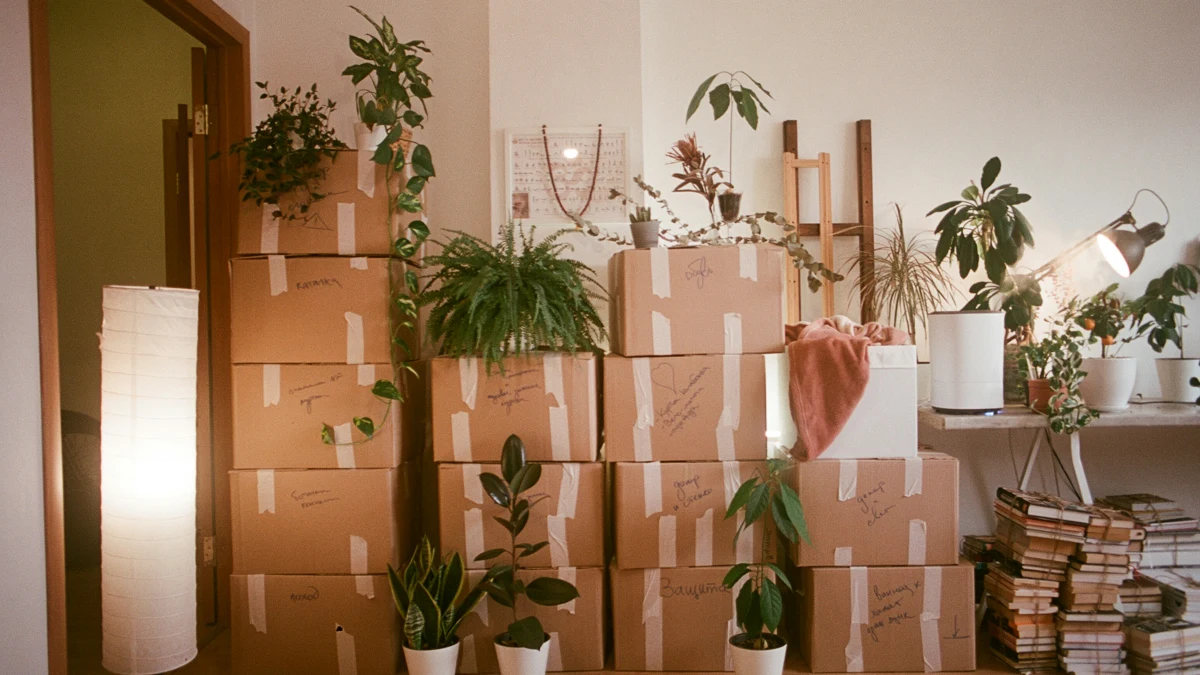
Knowing how to pack a storage container properly makes a bigger difference than most people expect. A well-loaded container keeps your belongings safe, makes the most of the space you are paying for and means you can find the toaster or the winter duvet without unloading half of it. This guide walks Kilmarnock customers through the whole job: choosing materials, packing boxes, preparing furniture, planning the loading order and keeping things in good condition until you need them back.
Whether you are storing a few rooms during a move, clearing space at home or keeping business stock, the same principles apply to container storage in Kilmarnock and anywhere else in Ayrshire.
Before you start: plan the load, not just the boxes
The most common mistake is to start packing boxes without thinking about how they will fit together in the container. Ten minutes of planning saves hours on loading day.
- Make a list. Write down the furniture and large items first, then estimate how many boxes you will need. Our Kilmarnock container size guide shows how to build that list and what typically fits.
- Measure the big pieces. Check sofas, wardrobes, mattresses and shelving against the internal dimensions and door opening on our storage sizes and prices page.
- Sort by how often you need things. Split everything into three groups: items you will not need until you collect everything, items you might need now and again, and items you will want regularly.
- Book a realistic loading slot. Allow more time than you think, especially if you are loading in the dark or the rain of an Ayrshire winter.
Packing materials that are worth buying
Good materials are cheap compared with the cost of replacing damaged belongings. Packing for storage is different from packing for a one-day house move, because items may sit for months, so strength and protection from damp matter more.
- Strong double-walled boxes in two or three standard sizes. Matching sizes stack far more neatly than a mix of supermarket boxes.
- Lidded plastic boxes for clothes, bedding, paperwork and anything you would be upset to lose to damp.
- Good-quality parcel tape and a tape dispenser. Cheap tape loses its grip over time.
- Packing paper and bubble wrap for glass, china and fragile items.
- Breathable furniture covers or old cotton sheets. Avoid wrapping wooden furniture tightly in plastic, as it can trap moisture against the surface.
- Pallets or low boards to keep items off the floor, and a marker pen for labels.
Storage packing tips for boxes
The way you pack each box decides how well the whole container stacks. These storage packing tips keep boxes strong and contents safe.
- Heavy items in small boxes, light items in large boxes. A large box full of books is too heavy to lift safely and may crush whatever is underneath.
- Fill every box completely. Half-empty boxes collapse when stacked. Fill gaps with towels, tea towels or scrunched paper.
- Tape the top and bottom along every seam, not just across the middle.
- Wrap fragile items individually and stand plates on their edge, like records, rather than flat.
- Label two sides and the top with the room, a short list of contents and a number. Mark fragile boxes clearly.
- Keep a list. A simple spreadsheet or phone note matching box numbers to contents makes finding things easy months later.
Lifting is part of packing too. The Health and Safety Executive notes that the law does not set specific weight limits, and its good handling advice is to keep the load close to your waist and the heaviest side next to your body (HSE good handling technique, checked November 2026). If a box feels too heavy, repack it.
Preparing furniture and appliances
Furniture takes up most of the space in a typical load, so preparing it well pays off. If it will be stored for many months, our guide to long-term furniture storage in Kilmarnock explains how to care for wood, sofas and mattresses over time.
- Dismantle what you can. Take legs off tables, separate bed frames and remove shelves. Put screws and fittings in a labelled bag taped to the main piece.
- Clean and dry everything. Dust, crumbs and damp are the start of mould and pests.
- Protect corners and surfaces with cardboard corners, blankets or bubble wrap, and cover sofas and mattresses with breathable covers.
- Defrost and dry fridges and freezers and leave the doors slightly open. Drain washing machines fully.
- Empty drawers of anything heavy or breakable, but light linens can stay in to save space.
If you are storing during building work, our guide to storage during a home renovation in Kilmarnock covers kitchen refits and protecting furniture from dust in more detail.
How to pack a storage container: the loading order
Once everything is packed, the order you load it in matters as much as the packing itself. Think of the container in three zones from the back wall to the doors.
Zone 1: the back wall
Load the items you are least likely to need first. Large, heavy, flat-backed furniture such as wardrobes, chests of drawers and bookcases goes against the back wall and stands upright. Mattresses and sofa cushions can stand on their edge alongside, protected by covers.
Zone 2: the middle
Build stable walls of boxes in the middle. Put the heaviest boxes at the bottom and lighter boxes on top, and keep stacks to a height you can reach safely. Fill gaps under tables and inside wardrobes with soft or light items. Leave a small gap between your belongings and the container walls so air can circulate.
Zone 3: near the doors
Keep the things you may need during the rental near the doors: seasonal clothes, the box of paperwork, tools, or the garden furniture you will want back in spring. If you plan to visit regularly, leave a narrow aisle down one side so you can reach the back without unloading.
A few final rules for container storage in Kilmarnock:
- Never lean heavy items against the doors, as they may fall when the doors open.
- Do not stack anything on top of upholstered furniture or fragile boxes.
- Strap or wedge tall items so they cannot topple.
- Follow the packing and site guidance given with your rental, and contact us first if you plan to arrive in a large van or with a removal company.
Keeping belongings dry and in good condition
Scotland's winters are wet, so good packing has to include damp protection. Make sure everything is completely dry before it goes in, especially garden furniture, bikes and anything that has been in a shed. Keep items off the floor on pallets, use lidded plastic boxes for fabric and paper, and consider moisture absorbers for longer stays. Ask us about the available storage conditions if any items are sensitive to temperature or moisture.
Food, anything flammable and anything that needs a controlled temperature are generally unsuitable for storage. Goods should be dry and packed appropriately, so speak to us before booking if you are unsure about an item.
Frequently asked questions
How long does it take to pack a storage container?
Once everything is packed, loading the contents of a typical two- or three-bedroom house can take several hours with two or three people. Packing the boxes themselves takes far longer, so start a week or two ahead and pack one room at a time.
Should I use plastic boxes or cardboard boxes for storage?
Both work. Strong cardboard boxes are cheaper and stack well when they are the same size. Lidded plastic boxes give better protection from damp and pests, so use them for clothes, bedding, paperwork and anything precious.
Can I pack my storage container gradually over several visits?
Often, yes. Plan the zones first so the items you load early go to the back. Check the access arrangements for your booking on our how it works page before planning several trips.
Is self storage in Ayrshire suitable for business stock?
Yes, self storage across Ayrshire is widely used by tradespeople and small firms. The same packing rules apply, with extra attention to labelling and stock rotation. Our guide to business storage in Kilmarnock for Ayrshire firms covers this in detail.
Get your container storage in Kilmarnock ready
Once you know how to pack a storage container, the job is far less daunting. Good packing protects your belongings, saves space and makes collection day easy. Plan your zones, use strong materials, label everything and keep the items you need near the doors.
When you are ready, check prices and availability for container storage in Kilmarnock, or contact The Storage Machine with any questions about packing or loading your space.