
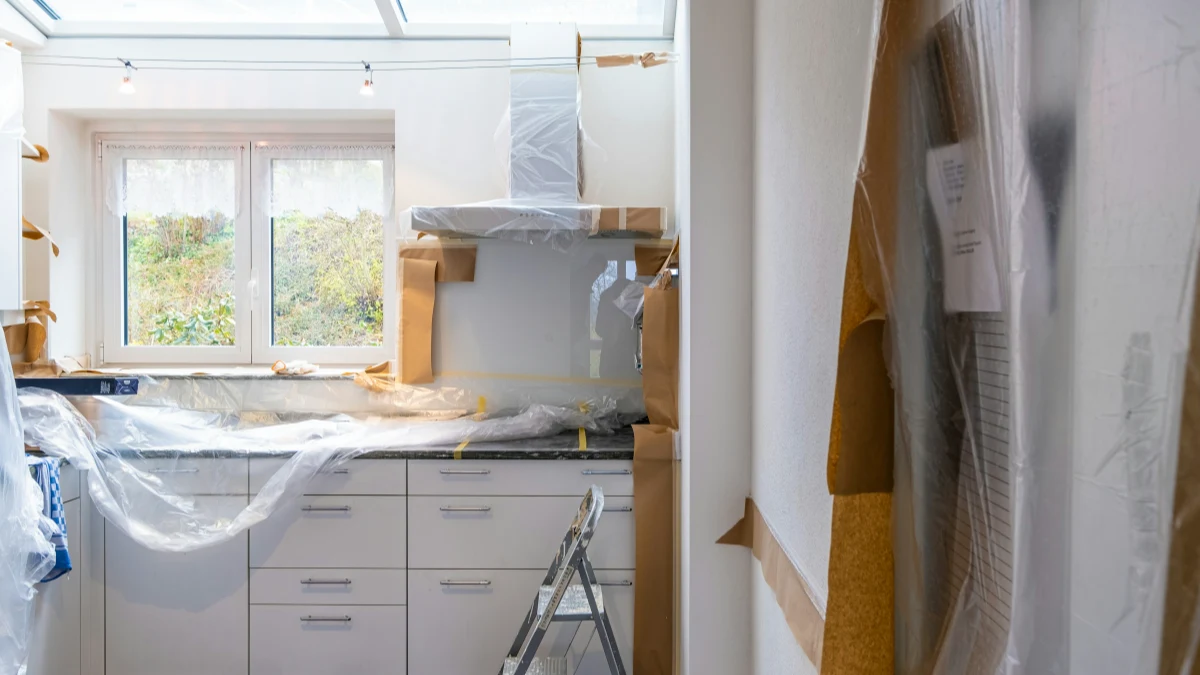
New kitchens, rewiring, replastering and fresh paint all have one thing in common: they make a mess of the rooms around them. If you are planning building work, renovation storage in Kilmarnock gives your furniture and boxes somewhere clean, dry and out of the way until the dust settles. This guide explains when it is worth clearing rooms completely, how to plan around your trades, what to pack first and how to keep everything in good condition while the work goes on.
It is written for households in Kilmarnock and the villages around it, from Kilmaurs and Hurlford to Crosshouse and Galston, but the advice works wherever you are in Ayrshire.
Why renovation storage in Kilmarnock makes sense
Most people start a project planning to shuffle furniture from room to room. It works for a day or two of painting, but bigger jobs soon expose the problems.
- Dust gets everywhere. Sanding, plaster removal and cutting tiles produce fine dust that settles into fabric, drawers and electronics, even through closed doors.
- Trades need space. Joiners, electricians and plasterers work faster in an empty room. Moving your belongings around them every morning slows the job and can add to the bill.
- Accidents happen. Paint drips, dropped tools and heavy boards are hard on polished wood, glass and upholstery.
- Your living space shrinks. Stacking a dining set, sofa and boxes into the living room means you are living in a corridor for weeks.
Moving the things you do not need into self storage in Kilmarnock clears the work area completely and keeps the rest of the house liveable. Our household storage in Kilmarnock is set up for exactly this kind of short-term need.
Which projects need storage, and which do not
Not every job needs storage. A quick guide:
- Painting one room: usually fine with dust sheets and furniture pulled into the middle of the room.
- Storage while decorating several rooms: worth considering if you are doing the whole house at once or replacing flooring, because carpets and floors need rooms emptied.
- Kitchen refit storage: very common. Units come out, appliances need a temporary home and the cupboards' contents end up in boxes for weeks.
- Rewiring, replastering or new windows: these create heavy dust and often affect several rooms, so clearing them is the safest option.
- Extensions and loft conversions: often last months and can disrupt the whole ground floor or landing. Storing furniture keeps it safe and frees space for materials.
If you are unsure, ask your builder which rooms they need empty and for how long. Their answer tells you how much needs to go and for roughly how many weeks.
Planning your storage around the building work
Good timing saves stress and money. Storage is usually charged by the size of the space and how long you keep it, so a little planning goes a long way.
- Get the schedule from your builder. Ask for start and finish dates for each room, and build in a margin. Projects often overrun because of materials, weather or what is found behind old plaster.
- Decide what stays at home. Keep the essentials you use every day, such as a few clothes, school things, work equipment and a basic kitchen kit. Everything else is a candidate for storage.
- Measure the big pieces. Sofas, wardrobes, dining tables and beds take up the most space. Compare them with the details on our storage sizes and prices page and use our Kilmarnock container size guide to estimate how much room you need.
- Book a week before the trades arrive. Clearing rooms the day before work starts is stressful. Give yourself a few days to pack, load and clean.
- Check the terms. Look at the minimum rental period and notice period in our rental terms so you know how flexible you can be if the project runs late.
Container storage in Kilmarnock: packing furniture for a renovation
Container storage in Kilmarnock suits renovations well because you can keep the whole contents of a room together in one space. The way you pack makes a big difference to how everything looks when it comes home.
Furniture
- Clean and dry everything first. Dust and crumbs left on furniture attract damp and pests.
- Take beds, tables and wardrobes apart where you can. Tape screws and fittings in a labelled bag to the piece they belong to.
- Cover sofas and chairs with breathable cotton dust sheets rather than sealing them in plastic, which can trap moisture over several weeks.
- Wrap table edges, mirrors and glass in blankets or bubble wrap, and stand mirrors and pictures on their edges, never flat.
Boxes
- Use strong boxes of similar sizes so they stack evenly. Heavy items such as books go in small boxes.
- Label each box on two sides with the room and a short list of contents.
- Keep a simple inventory on your phone. When the kitchen is finished, you will know exactly which boxes to bring back first.
Kitchen refit storage tips
- Pack crockery and glasses in paper, standing plates on their edges.
- Do not store food. Use up the cupboards before work starts or take tins to a food bank.
- If you are storing appliances, defrost and dry the fridge and freezer thoroughly and leave the door slightly open. Drain the washing machine and secure the drum if you still have the transit bolts.
Loading the container so you can find things later
A renovation is not like a house move. You may need to collect some items before the whole job is finished, such as a bed for a newly plastered bedroom. Load with that in mind.
- Put the things you need back last at the far end, such as spare-room furniture and boxes from the loft.
- Keep the furniture for the first room to be finished near the door. For more loading ideas, see our step-by-step guide on how to pack a storage container.
- Leave a narrow aisle if you can, so you can reach boxes without unloading everything.
- Place heavy items on the floor and lighter boxes on top, and keep sofas off the floor on pallets or boards where possible.
Our guide to choosing between self storage and container storage includes a worked example of a family renovating their Kilmarnock home, with a suggested layout.
Protecting stored belongings from damp
Building work in Scotland often runs through wet weather, so keep damp in mind from the start.
- Never load anything wet. If it rained on the way, dry items off before they go in.
- Avoid storing furniture straight after cleaning it with water. Let it dry fully first.
- Use moisture absorbers in the container, especially over autumn and winter, and check them when you visit.
- Keep items slightly away from the walls so air can move around them.
If you are storing anything sensitive to temperature or moisture, such as pianos, artwork or important papers, get in touch before you book so we can talk it through.
What not to store during a renovation
It is tempting to use your storage space for building supplies too, but some things should never go into storage. Paints, solvents, fuels, gas bottles and other flammable or hazardous products are usually prohibited. Check the rules in our rental terms before you load, and keep leftover paint and materials at home or with your builder.
Old furniture and fittings that are not coming back are better dealt with now. Sell, donate or recycle them rather than paying to store them.
Frequently asked questions
How long do people usually need renovation storage?
It depends on the project. A redecoration might need a few weeks, a kitchen refit a month or two, and an extension several months. Ask your builder for a realistic timescale, add a margin for delays and check our rental terms for the minimum period and notice needed.
Can I take things out of storage before the work is finished?
Yes. Many people bring furniture back room by room as each one is completed. Loading the first-finished room's furniture nearest the door makes this much easier. Customer access is 24/7, so you can collect furniture whenever the work is finished.
Is container storage in Kilmarnock suitable for a sofa and mattresses?
Yes, as long as they are clean, dry and covered with breathable sheets. Keep them off the floor where possible and add moisture absorbers during the wetter months. If your furniture will be away for longer than the building work, our guide to storing furniture long term in Kilmarnock covers wood, sofas and mattresses in more detail.
Do I live close enough to use storage units in East Ayrshire?
Our storage units in East Ayrshire are based in Kilmarnock, which is handy for Kilmaurs, Hurlford, Crosshouse, Galston, Stewarton, Fenwick and Riccarton, as well as Irvine, Troon and Ayr further afield.
Book renovation storage in Kilmarnock
Clearing the rooms before your trades arrive protects your furniture, speeds up the work and keeps the rest of your home liveable. Whether you are refitting a kitchen in Onthank, decorating in Bellfield or building an extension in Stewarton, container storage in Kilmarnock gives your belongings a safe place to wait.
Check prices and availability for your move-in date, or contact The Storage Machine if you would like help planning storage around your project.